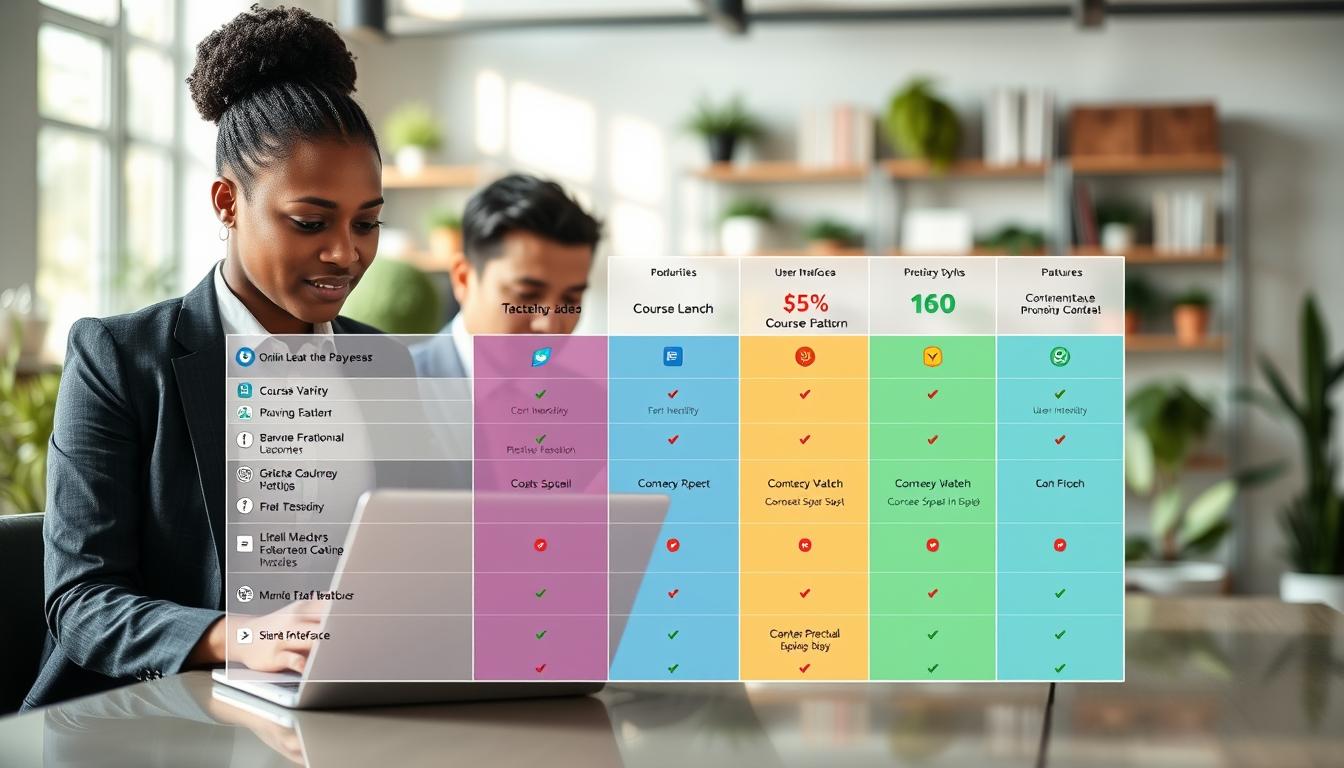
Are you overwhelmed by the numerous options available for online education? With so many learning platforms out there, it’s challenging to determine which one is the best fit for your needs.
Choosing the right platform can be a daunting task, but it’s a crucial step in achieving your educational goals. A good online learning platform can provide a personalized experience, interactive content, and flexible scheduling.
In this article, we’ll compare the best options available, highlighting their unique features and benefits. By the end of this comparison, you’ll be well-equipped to make an informed decision about which platform is right for you.
Key Takeaways
- Understand the key features to look for in an online learning platform
- Discover the top platforms for different learning needs
- Learn how to choose the best platform based on your goals
- Get insights into the user experience and interface
- Find out how to make the most of your online learning journey
The Rise and Value of Digital Education
The rise of digital education has marked a new era in learning, characterized by flexibility and personalization. As technology continues to advance, online learning platforms have become increasingly popular, offering a wide range of courses and programs that cater to diverse learning needs.
How Online Learning Has Transformed Education
Online learning has revolutionized the way we access education, breaking geographical and time barriers. It has enabled learners to acquire knowledge and skills at their own pace, anytime and anywhere. This flexibility is particularly beneficial for those with busy schedules or living in remote areas.
The transformation is also evident in the variety of courses available, from academic subjects to practical skills, ensuring that there’s something for everyone.
Key Advantages of Digital Learning Environments
Digital learning environments offer several key advantages, including accessibility, affordability, and personalized learning experiences. These environments allow learners to engage with course materials in a way that suits their learning style, enhancing their understanding and retention of the material.
Moreover, digital learning platforms often include interactive elements, such as quizzes and discussion forums, which foster a sense of community and encourage active learning.
Essential Criteria for Evaluating E-Learning Platforms
Evaluating e-learning platforms requires a careful consideration of multiple essential criteria. With numerous options available, it’s crucial to assess these platforms based on several key factors to make an informed decision.
Course Selection and Content Quality
The variety and relevance of courses are paramount. A robust e-learning platform should offer a diverse range of subjects, catering to different interests and professional needs. Look for platforms that partner with reputable institutions and industry leaders to ensure high-quality content. Some key aspects to consider include:
- Depth and breadth of course offerings
- Relevance to current industry trends
- Expertise of instructors
Cost Structures and Affordability
Understanding the cost structure is vital. Different platforms have varying pricing models, including subscription-based, course-by-course, or even free content. Consider your budget and the value you expect to derive from the platform. Some platforms offer financial aid or scholarships, making them more affordable. Key considerations include:
- Overall cost and pricing model
- Availability of financial aid or discounts
- Value for money based on course quality

Platform Usability and Technical Requirements
A user-friendly interface and robust technical support are crucial for a seamless learning experience. Ensure the platform is compatible with your devices and has minimal technical issues. Key aspects include:
- Ease of navigation and course access
- Compatibility with different devices and browsers
- Quality of technical support
Credential Value and Recognition
For many learners, the ultimate goal is to gain recognized credentials. Investigate whether the platform’s certificates are recognized by employers and academic institutions. Some platforms offer certification programs that can significantly enhance your professional profile. Consider:
- Recognition of certificates by employers
- Acceptance by academic institutions
- Potential impact on career advancement
Online Learning Platforms Comparison: Top Contenders
In the vast digital education space, certain platforms have distinguished themselves through their content, quality, and accessibility. As learners navigate the myriad options available, understanding the unique strengths of these top contenders is crucial.
Coursera: Academic Excellence and Specializations
Coursera partners with top universities worldwide to offer courses that are both academically rigorous and relevant to the modern job market. Its specialization programs allow learners to dive deep into subjects, gaining practical skills.
- University-level courses
- Flexible learning paths
- Recognized certifications
Udemy: Vast Marketplace for Practical Skills
Udemy operates as a marketplace, hosting a vast array of courses focused on practical skills. It’s ideal for learners seeking specific knowledge or hobbies, with courses often updated to reflect industry trends.
- Diverse course offerings
- Regular updates
- Affordable pricing
LinkedIn Learning: Career-Focused Development
LinkedIn Learning (formerly Lynda.com) excels in providing career-focused content, with video courses taught by industry experts. It’s particularly useful for professionals looking to upskill or reskill.
- High-quality video content
- Integration with LinkedIn profiles
- Personalized course recommendations
edX: University Partnerships and MicroMasters
edX stands out for its university partnerships and innovative MicroMasters programs, offering learners the chance to gain recognized credentials in fields like technology and business.
- University-backed courses
- MicroMasters programs
- Flexible learning options
Skillshare: Creative and Practical Skills Community
Skillshare is renowned for its focus on creative and practical skills, fostering a community of learners who share projects and feedback. It’s perfect for those looking to explore creative interests.
- Community-driven learning
- Project-based courses
- Accessible pricing plans
By examining these top online learning platforms, learners can make informed decisions about their educational paths, choosing the platform that best aligns with their goals and preferences.
Step-by-Step Guide to Selecting Your Ideal Learning Platform
Navigating the world of online learning platforms can be simplified by following a step-by-step guide. With so many options available, it’s essential to have a clear understanding of what you’re looking for in an online education platform. This guide will walk you through the process of selecting the ideal platform that meets your learning needs.
Define Your Specific Learning Goals
Before selecting an online learning platform, it’s crucial to define your specific learning goals. Are you looking to acquire new skills for a career change or enhance your current profession? Identifying your goals will help you narrow down the platforms that offer relevant courses. Consider what subjects you’re interested in and what level of expertise you’re aiming for.
- Identify your career aspirations
- Determine the skills you need to acquire
- Consider the level of expertise you’re aiming for
Determine Your Budget and Time Commitment
Understanding your budget and time commitment is vital in choosing the right online learning platform. Different platforms have varying cost structures, and some may offer more flexible scheduling than others. Assess how much you’re willing to spend and how many hours you can dedicate to learning each week.
- Set a budget for your online learning
- Decide on the number of hours you can commit to learning each week
Assess Platform Teaching Styles Against Your Learning Preferences
Each online learning platform has its unique teaching style and methodology. Some may focus on theoretical knowledge, while others may emphasize practical skills. It’s essential to assess the teaching style of a platform and determine if it aligns with your learning preferences.
- Review the course curriculum and structure
- Watch sample videos to gauge the teaching style
Utilize Free Trials and Sample Courses
Many online learning platforms offer free trials or sample courses. Utilizing these can give you a firsthand experience of the platform’s teaching style and quality of content. Take advantage of these offers to make an informed decision.

Conclusion: Maximizing Your Online Learning Investment
Choosing the right online learning platform is crucial to maximizing your educational investment. With numerous top e-learning platforms available, comparing and selecting the best one can be daunting. By considering factors such as course selection, cost structures, platform usability, and credential value, you can make an informed decision that aligns with your learning goals.
Whether you’re looking to enhance your career prospects or acquire new skills, the ideal e-learning platform can help you achieve your objectives. By following the steps outlined in this article, you can navigate the vast online learning landscape and find a platform that meets your needs. Top e-learning platforms offer a range of benefits, from flexibility and accessibility to high-quality content and interactive learning experiences.
Ultimately, investing time and effort in selecting the right online learning platform will pay dividends in the long run. By doing so, you’ll be able to unlock your full potential, stay ahead in the competitive job market, and achieve your personal and professional goals.